
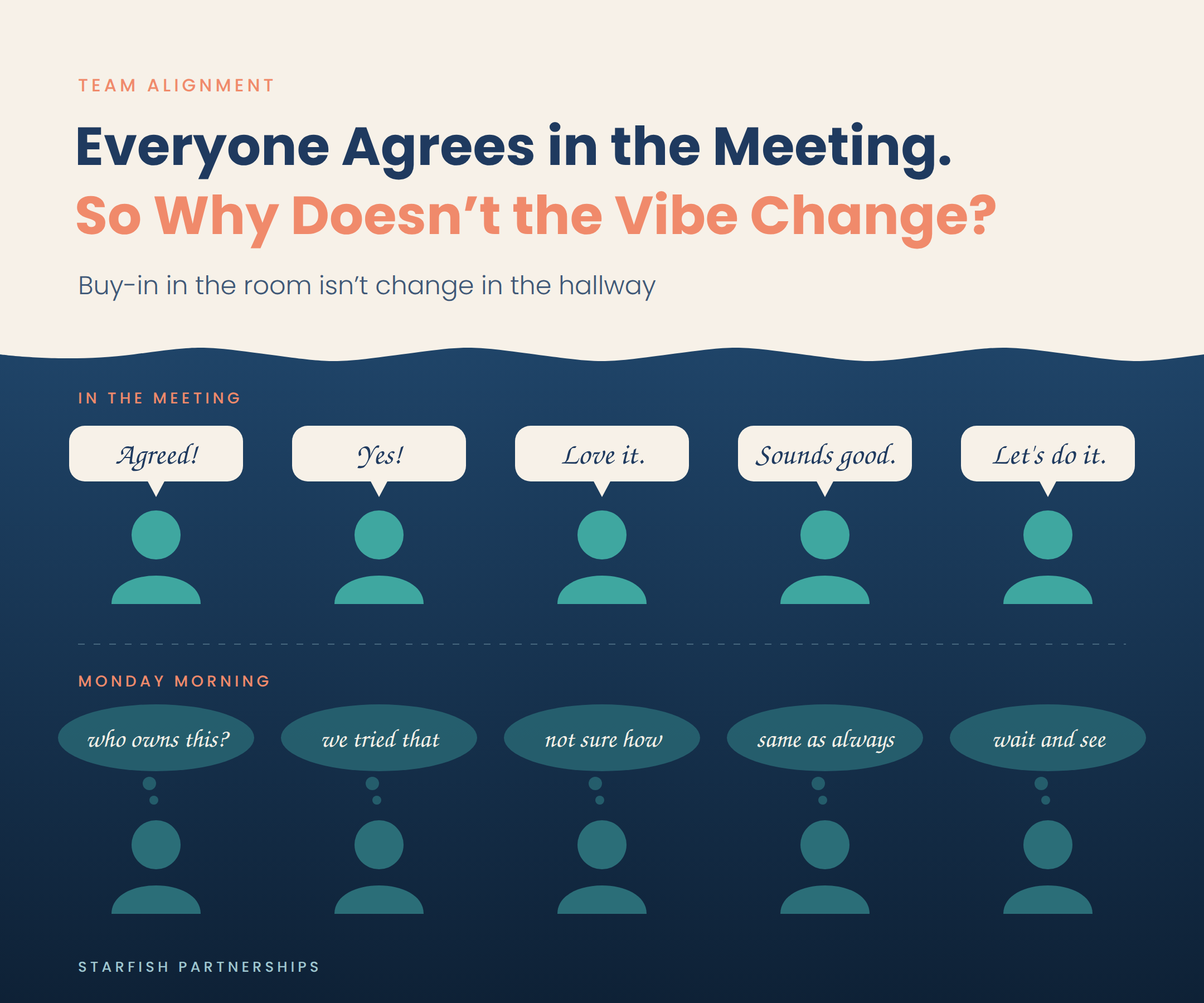
Everyone Agrees in the Meeting. So Why Doesn’t the Office Vibe Change?
Buy-in in the room isn’t the same as change in the hallway
You had a good meeting.
People nodded. A few even said, “Yes, we need this.” You walked out feeling like something shifted.
Then Monday came. Same tension at the front desk. Same side conversations. Same people waiting for someone else to go first.
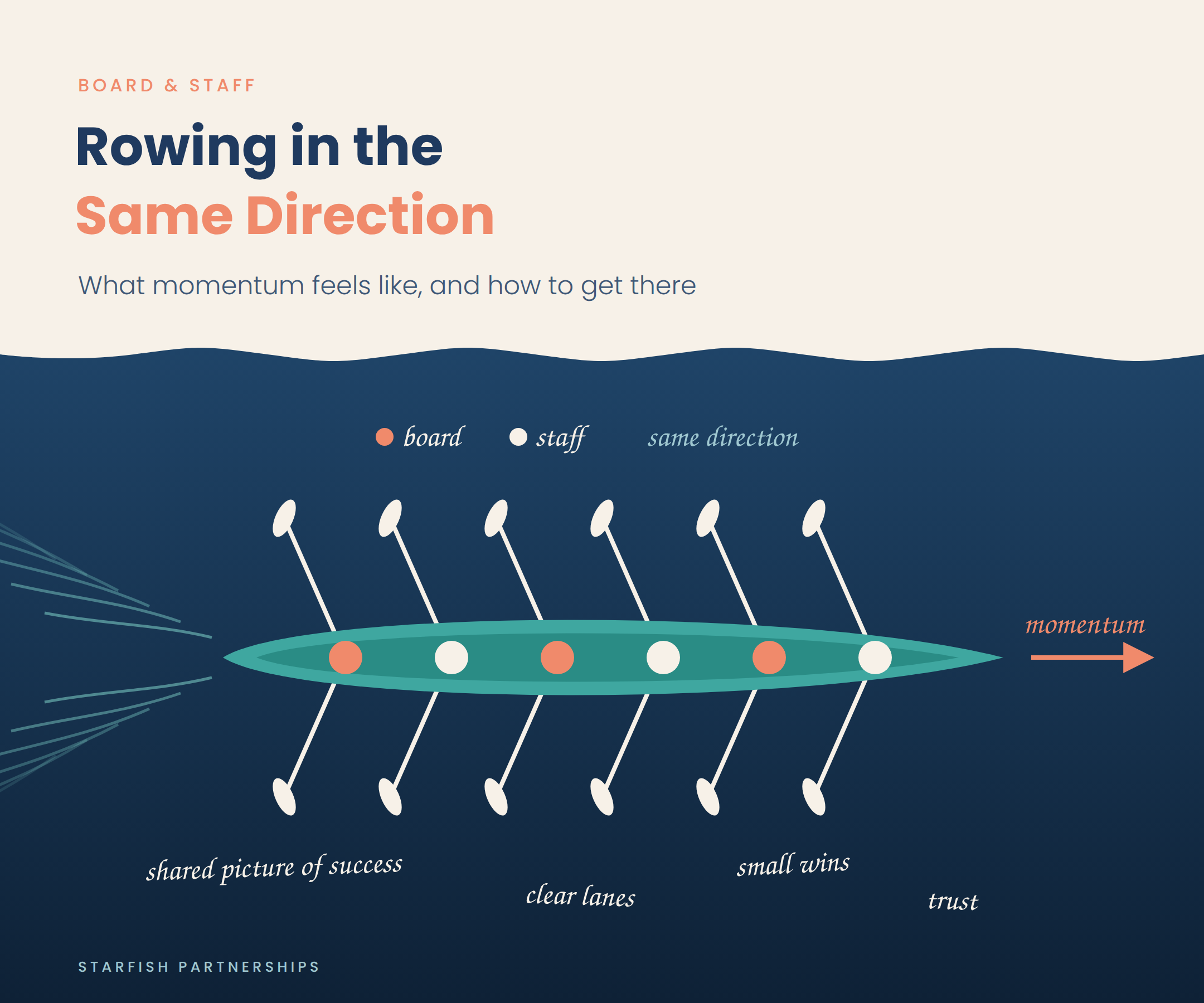
When Your Board and Staff Are Rowing in the Same Direction
What momentum actually feels like, and how to get there
If you’ve ever led a chamber or nonprofit, you know the feeling when things are out of sync.
The board wants one thing. The staff is working toward another. And you’re in the middle, translating, smoothing things over, and wondering why everything takes so much energy.
But have you ever experienced the opposite?
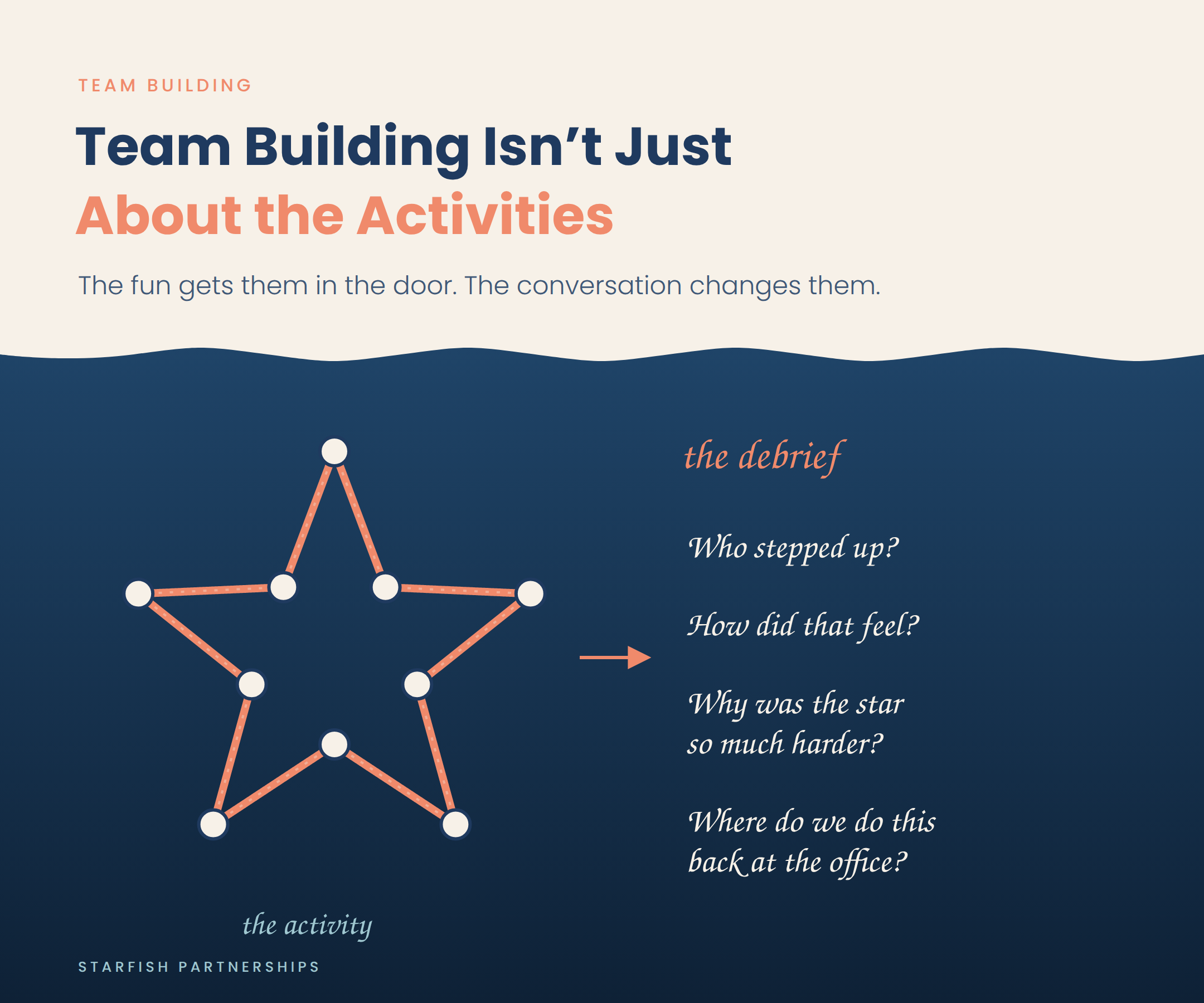
Team Building Isn’t Just About the Activities
The fun gets people in the door. The conversation is what changes them.
When people hear “team building,” they picture trust falls and awkward icebreakers. Maybe a scavenger hunt. Maybe a rope course.
And honestly? I use a lot of activities. Ropes, cards, a bag full of random objects. I love watching a room go from arms crossed to laughing in about ten minutes.
But the activity is never the point.
The activity is the doorway. The debrief is the room.
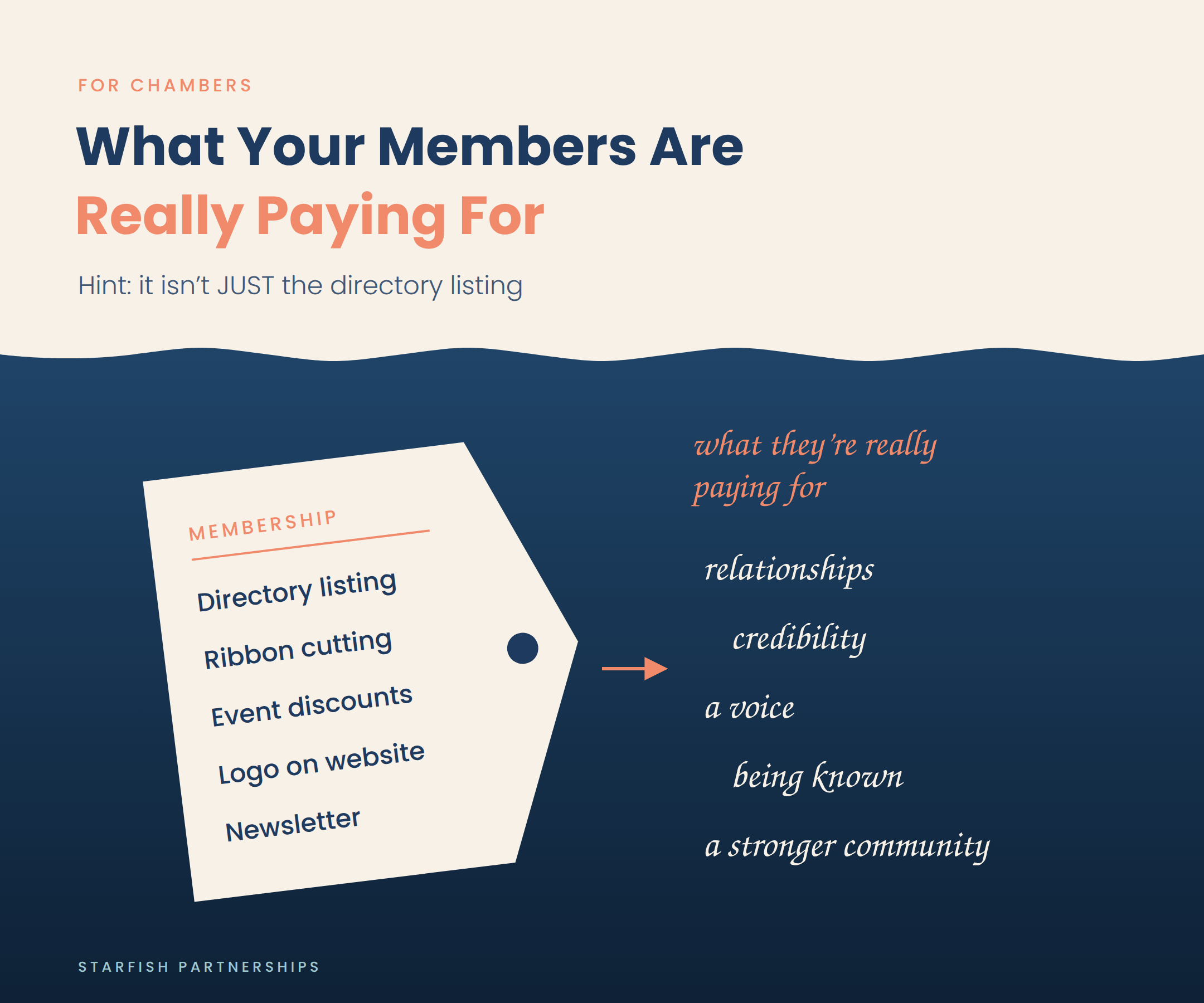
What Your Members Are Really Paying For
Ask most chambers what members get for their dues, and you’ll hear a list.
A directory listing. Ribbon cuttings. Event discounts. A logo on the website. A newsletter.
Those things matter. But after 30+ years in the chamber world, I can tell you this. That list is not why people join. And it’s definitely not why they stay.
Members aren’t paying for benefits. They’re paying for what those benefits make possible.
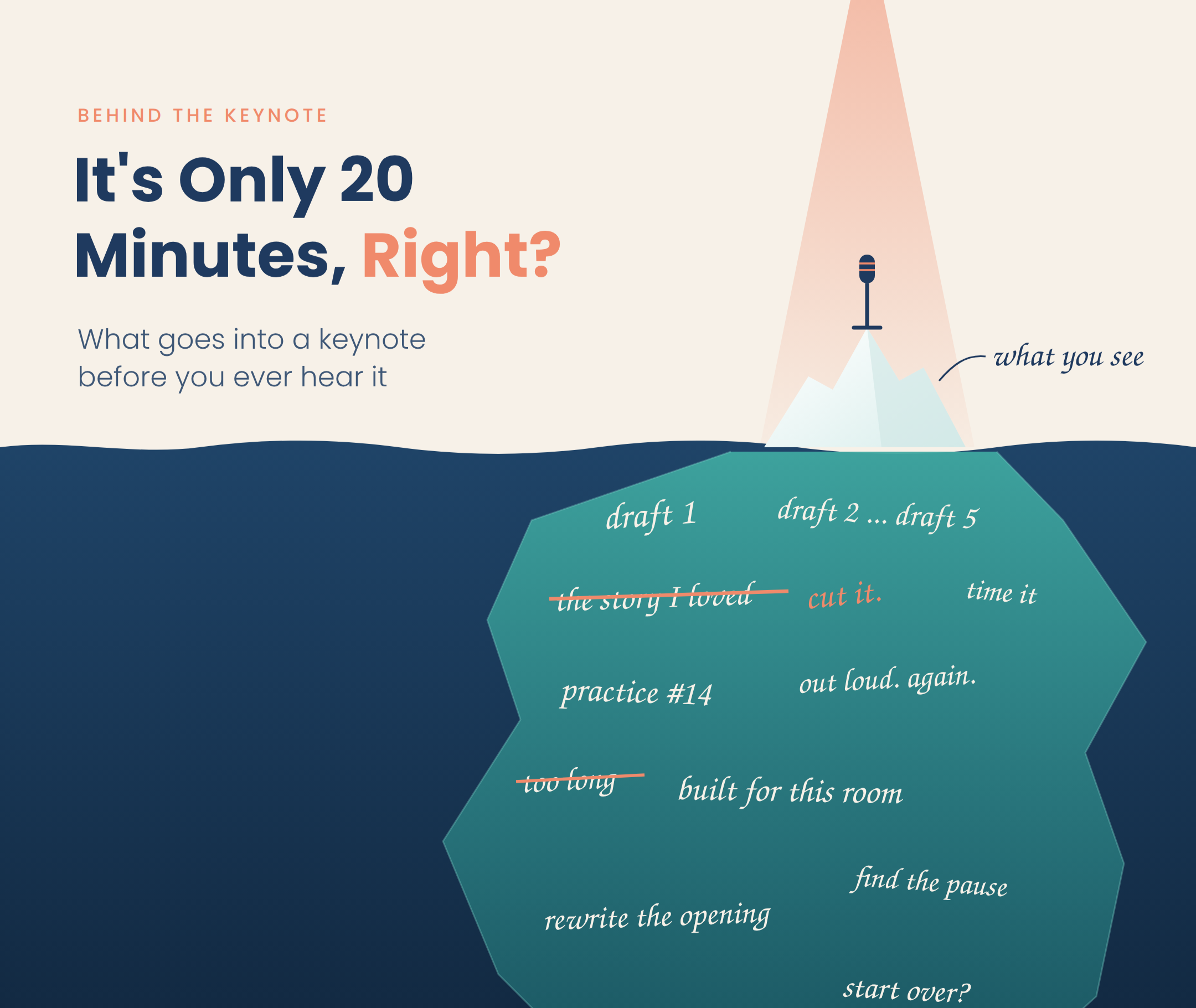
"It's Only 20 Minutes, Right?"
Someone asked me recently- “It’s only a 20-minute keynote – that’s not that long, right?”. It was a kind question. They were trying to be respectful of my time.
Here’s the truth. A 20-minute talk isn't a third of the work of an hour. Sometimes it's more.
When you have an hour, you have room to wander a little. When you have 20 minutes
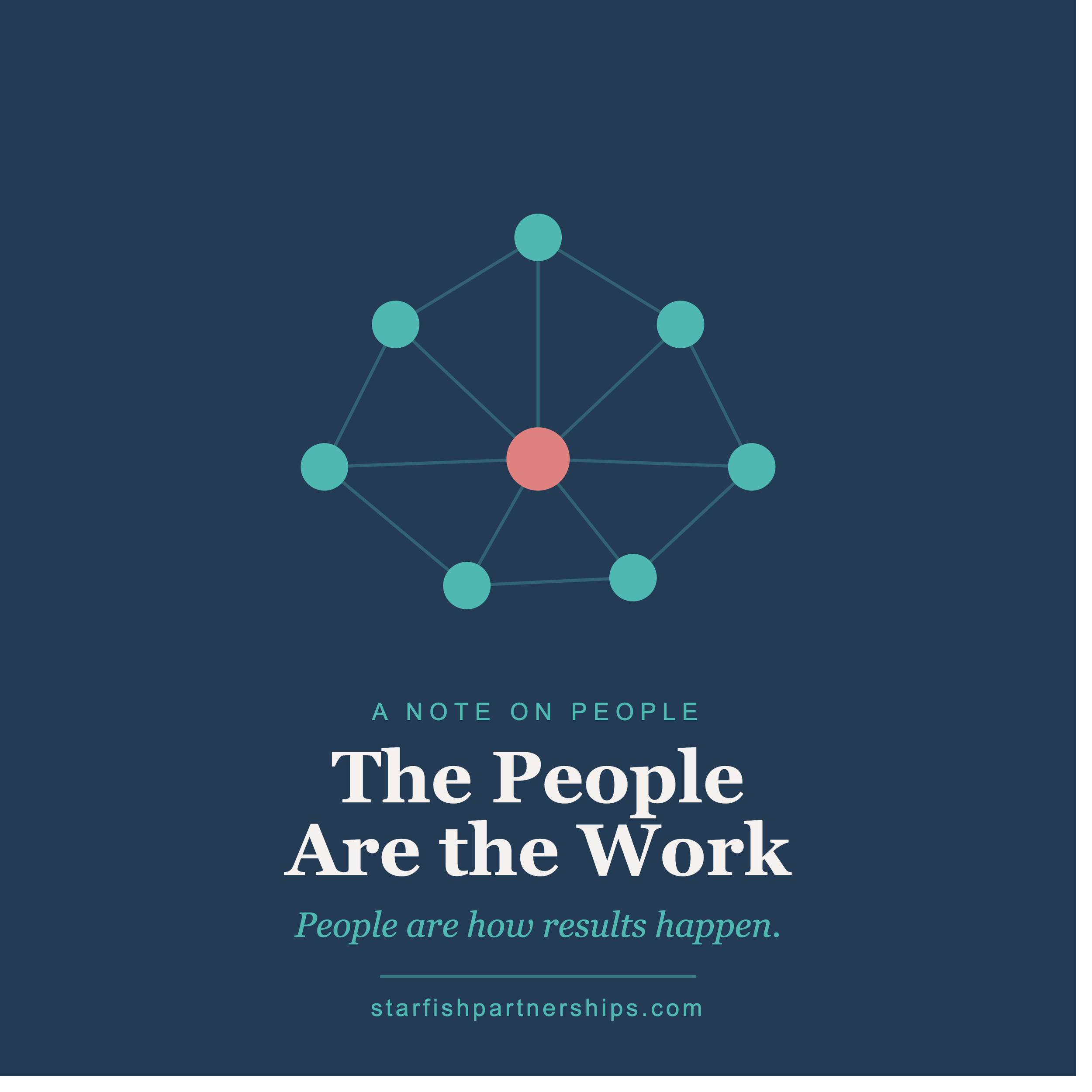
The People Are the Work
Deadlines matter. Goals matter. Budgets matter. Strategic plans matter. Performance matters. Results absolutely matter.
But somewhere in our effort to get all the work done, leaders can forget something pretty important. The people are the work.
Not instead of the results. They are how sustainable results happen.

Lead Where You Are
When you hear the word leader, who comes to mind? The CEO? The business owner? The person at the front of the room? The one with the biggest title on the org chart?
Those people may be leaders. But leadership does not start with a title. It starts with influence, and every one of us has the chance to influence the people around us.
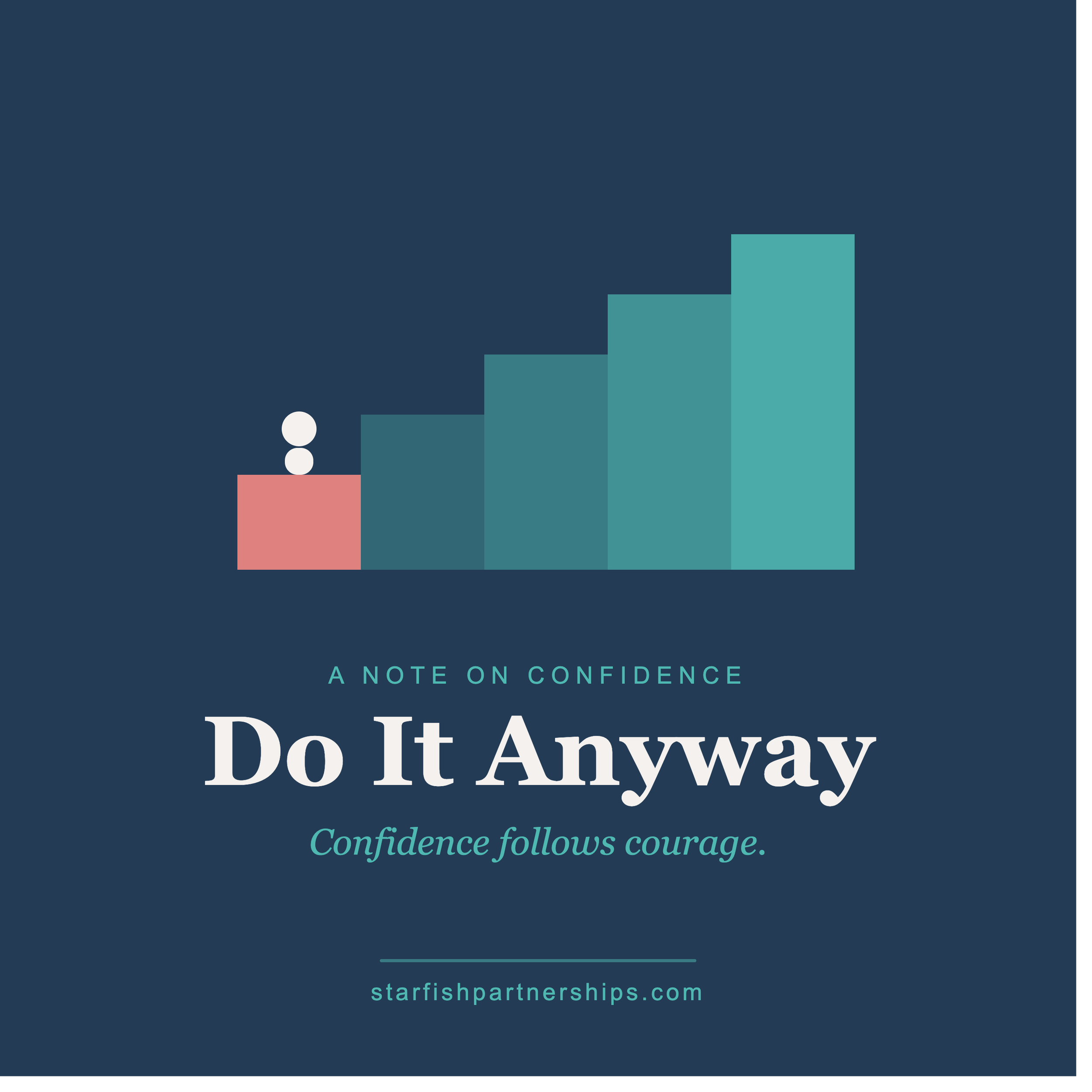
Just Do It Anyway
I wish I could tell you that confidence always comes first. That one day you'll wake up and suddenly feel completely ready.
Ready to speak up. Ready to take the opportunity. Ready to walk into the room. Ready to have the conversation. Ready to do the thing you've been thinking about for months.
How to Have the Hard Conversation You’ve Been Avoiding
You know the one.
It’s been sitting in the back of your mind for a while now. Maybe weeks. Maybe longer. You’ve rehearsed it in the shower, talked yourself into it, talked yourself back out of it, and decided more than once that the timing just isn’t right.
But here’s the thing: the timing is never going to feel right. And the longer you wait, the heavier it gets.
Your Team Has More Talent Than You Realize
There’s a good chance the people sitting around your table are more capable than you know.
Not because you’re a bad leader. But because most workplaces are set up in a way that only asks people for a fraction of what they actually have to offer. They show up, do their job, and go home with a whole lot of untapped potential that never made it into the room.
That’s not just a loss for them. It’s a loss for your team and your organization.

They don’t leave because of the price. They leave because they feel invisible.
I want to tell you about a young professional who left a chamber, because her story has stayed with me.
She joined at 28. She was a business owner, sharp and ambitious and genuinely excited to be part of something. She came to a few events. She met some nice people. And then, slowly, she went quiet. She stopped showing up. Her renewal notice came about eleven months later, and she didn't renew.
Here is the part that matters.
Stop Recruiting Next Gen like they are just younger members…
I want to start with a confession.
For years, I thought recruiting the next generation was mostly a matter of showing up in the right places and making our chamber look a little more modern. Update the website. Add some younger faces to the brochure. Start a Young Professionals group. Done.
It took me a long time and a lot of honest conversations to understand that I was thinking about it completely wrong.
Can you answer this in one sentence?
A few years ago I was coaching a chamber CEO who was frustrated.
Her Young Professionals program was active. Her events were well attended. Her membership numbers were decent. But NextGen members weren't renewing at the same rate as everyone else, and she couldn't figure out why.
I asked her one question.
"If a 30-year-old business owner called you today and asked why she should join your chamber instead of just building her network on LinkedIn, what would you say?"
Your Chamber May Not Have a NextGen Problem. It May Have a Culture Problem.
I'll be honest with you. I am 55 years old. I have spent 31 years in the chamber world. And for a long time, I thought I understood the next generation because I had been around long enough to watch them. I observed them. I made assumptions about them. I built programs for them.
Stop Fixing What’s Wrong. Start Building What’s Right.
What if the most important question in leadership isn’t “what’s broken?” but “what’s working?”
That’s a harder shift to make than it sounds. Most of us were trained to spot problems. We sit in meetings and notice what’s missing. We review performance and zero in on the gaps. We build development plans around weaknesses.
It’s not that those things don’t matter. It’s that when fixing what’s wrong becomes the whole focus, we miss something important.
What I’ve Learned from Sitting in a Lot of Conference Rooms
I’ve spent a lot of time in conference rooms.
Small ones with folding tables and chairs that don’t quite match. Big ones with fancy AV equipment that nobody can figure out how to use. Hotel ballrooms with rounds of eight and a microphone that squeals every time someone gets too close.
After years of facilitating retreats, leading trainings, and working with teams of all shapes and sizes, I’ve noticed some things. Not just about meetings, but about people. About what makes a group click and what makes them shut down. About what leaders do that works and what quietly gets in the way.
Here’s some of what I’ve learned.

5 Things Great Facilitators Do That Some Leaders Don’t
If you’ve ever been in a meeting that somehow covered everything and decided nothing, you’ve experienced what happens when facilitation is missing.
It’s not that the leader wasn’t smart or prepared. It’s that leading a group and facilitating a group are two very different skills. And most of us were never taught the second one.
Here’s what great facilitators do differently.

Real Networking Isn’t About Collecting Contacts
If the word “networking” makes you a little tired, you’re not alone.
For a lot of people, it brings up images of awkward small talk, a stack of business cards you’ll never look at again, and that one person in the room who hands you their card before they even know your name.
No wonder so many people avoid it.
But here’s what I’ve come to believe…

What Makes a Retreat Actually Worth Your Team’s Time
Nobody wants to sit through two days of flip charts and forced fun.
If you’ve ever left a team retreat thinking that could have been an email, you know exactly what I mean.
And if you’re the one planning the next one, that memory is probably making you a little nervous.
Here’s the thing: a retreat can be one of the most valuable things you do for your team all year. Or it can be an expensive, exhausting waste of everyone’s time. The difference almost always comes down to how it’s designed.
What Your CliftonStrengths Results Are Actually Telling You
You took the CliftonStrengths assessment. You got your results. You read through the descriptions and thought,
And then… not much happened.
Sound familiar?
You’re not alone.